The Real Answer to Why Dads Prefer Experience Gifts Over Material Hampers
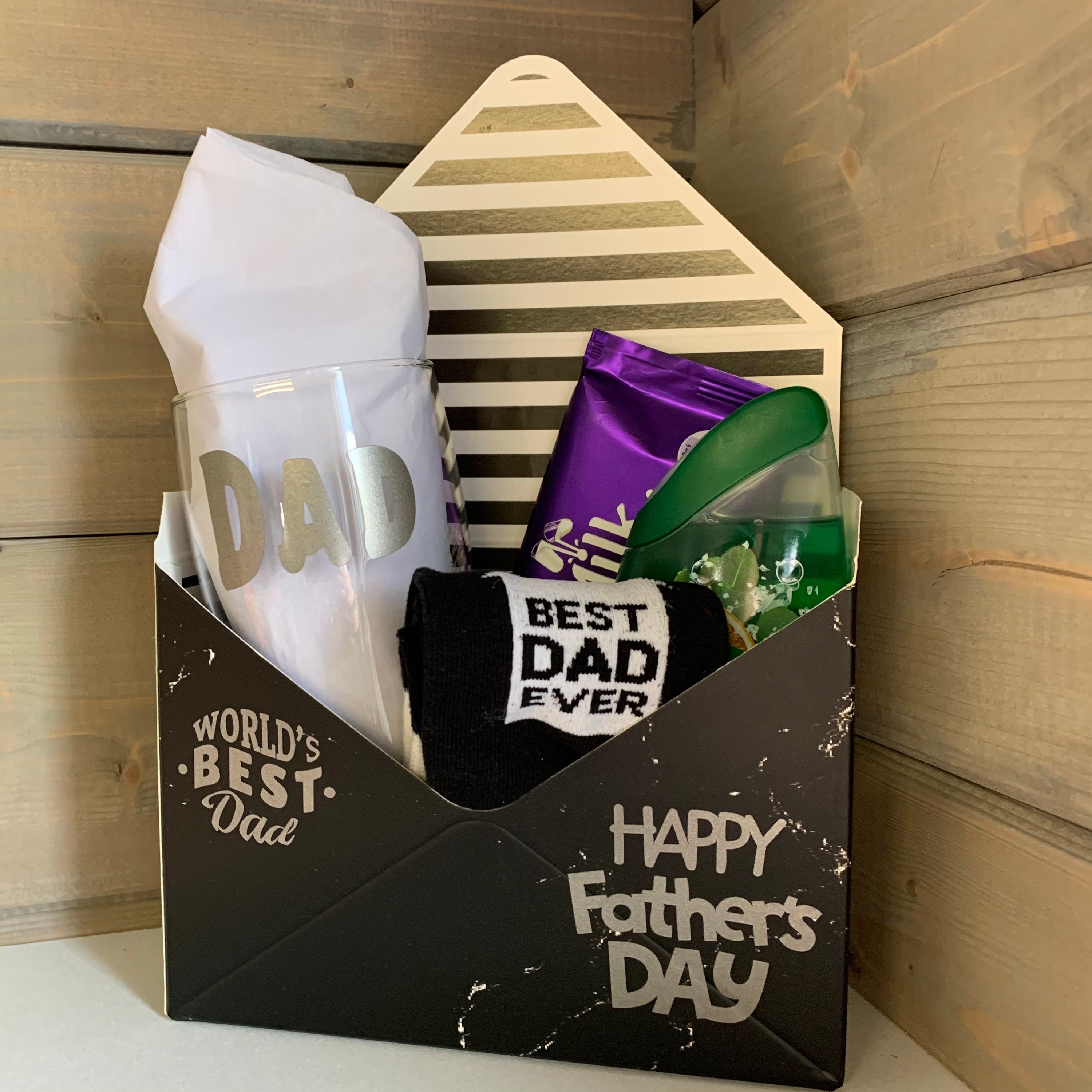
We’ve all been there. You carefully select a gift—a beautifully curated hamper, a gadget that promises to streamline life, or a sweater with a tasteful pattern. You wrap it up, feel good about your thoughtfulness, and present it to him. The inevitable reaction is polite appreciation, followed by the careful placement of the box on a shelf, destined for the "maybe someday" corner. If you’ve ever felt that pang of disappointment—the feeling that your effort didn't translate into joy—you are not alone. Gift-giving for fathers often feels like an archaeological dig: what did he actually want? The shift in modern gifting culture has been dramatic, moving away from the sheer volume of material goods toward something far more intangible, yet infinitely more valuable. Understanding why do dads prefer experience gifts over material hampers? is key to finding that perfect gift that actually gets used—and remembered.
The Emotional Currency: Value Beyond the Box
At its core, the difference between a physical item and an experience lies in what they represent. A hamper is tangible; it exists as mass and matter. An experience, however, is pure memory. When we talk about experiences, we aren't just talking about tickets or trips; we are talking about shared moments, novel sensations, and the unique feeling of doing something together.
Think about it: a pair of noise-canceling headphones can block out ambient sound for an hour. But attending a live concert, where the bass vibrates through your chest and hundreds of people sing in unison? That sensory overload creates a bond that no amount of electronics could replicate. The value proposition shifts from utility to emotional resonance.
For many dads, especially Father Figure those who have accumulated enough "stuff" to fill multiple closets, physical possessions are starting to feel redundant—like an overflowing trophy room filled with things they barely look at. They aren't rejecting gifts; they are simply rejecting the burden of ownership that comes with them. Does this make sense? Isn't it logical that a memory is something you carry within yourself forever, while a sweater eventually shrinks or gets misplaced?
The Psychology of Novelty and Connection
The preference for experiences is deeply rooted in human psychology, specifically our innate desire for novelty and BBQ Gift Set connection. Our brains are wired to prioritize learning and shared moments because those activities trigger the release of dopamine—the "reward" chemical. Material items offer a temporary rush (the excitement of opening something), but an experience offers sustained emotional reward through shared narrative.
One friend of mine, who is notoriously difficult to shop for, once received a complicated espresso machine in a large box. He spent two days just trying to figure out the plumbing. When I saw his frustration, I realized that while the intent was thoughtful, the actual use required too much effort and failed to provide enough joy. The next year, I gifted him tickets to a brewery tour and tasting—a simple, enjoyable activity. His face when he finally laughed with me over a poorly mixed beer was payment enough. It taught me that sometimes, less is profoundly more.
When we analyze the question of why do dads prefer experience gifts over material hampers?, we find that it’s about shifting the focus from receiving to sharing. These activities force participation, turning the gift-giver and recipient into collaborators in a fun adventure. This connection is priceless.
The Power of Shared Time
The most overlooked element is time itself. An experience forces two or more people to set aside their individual schedules and goals for a unified purpose. It’s an investment in relationship capital. When you give someone an outing, you are essentially giving them uninterrupted focus on the person they care about—be it their partner, their children, or you.
Curating Memories: Making Experiences Effortless
So, if physical goods are out of favor, how do you curate a perfect memory? The key is specificity and personalization. You need to move beyond generic "adventure packages" and tap into his niche interests. Does he love history? Try an architectural walking tour in a district he never explored. Is he obsessed with local cuisine? Book a specialized cooking class that focuses on regional dishes.
Here are a few creative categories of experiential gifts:

- Skill Acquisition: Classes (e.g., woodworking, mixology, photography). These give him something to do and learn.
- Adventure & Adrenaline: Tickets to sporting events, rock climbing passes, or guided fishing trips. These offer novel sensory input.
- Relaxation & Refinement: Spa days for couples, or a specialized tasting menu at a high-end restaurant (like a curated whiskey flight).
Remember, the perfect gift doesn't have to be expensive; it just needs to feel intentional. When choosing an activity, ask yourself: Will this generate laughter? Will it require us to look up from our phones and genuinely interact with our surroundings? If the answer is no, pivot immediately. Understanding why do dads prefer experience gifts over material hampers? leads straight to recognizing these emotional triggers.
Beyond the Gift: Building a Tradition of Shared Moments
The ultimate goal of gifting shouldn't be the exchange itself; it should be the creation of a lasting story. Think of each gift as planting a seed—the physical object is just the wrapper, but the memory is what grows into something beautiful and enduring. If you want to consistently nail the perfect gift, start by cataloging his "unmet desires." What has he always talked about wanting to try? What activity does he mention in passing that sounds vaguely fun?
This approach—listening for hints rather than guessing at purchases—is a powerful tool. It turns gift-buying into an act of active observation and genuine care, making the recipient feel profoundly seen. Are we so focused on what we buy that we forget to focus on who we are giving it to?
Crafting a Future Calendar of Joyful Connections
The most valuable gifts don't arrive on specific holidays; they become part of a routine, a tradition, or an anticipated milestone. If you want your gift-giving efforts to feel truly impactful and meaningful this year, shift your perspective from What can I buy him? to What can we do together? Start thinking about the next quarter's calendar. Will it be monthly tickets to a local market? A quarterly weekend getaway focused on a specific activity, like hiking or sailing? By planning for continuous shared time, you transform sporadic gift-giving into a genuine investment in his life and your relationship. Don’t just buy him something; build him an ongoing itinerary of joy.